

PRP Treatment: Disadvantages, Risks and Side Effects
 KI-generiertes Bild
In short: The main disadvantages of PRP treatment are the costs, the necessary repeat treatments, and the fact that it does not work for everyone. Common side effects are redness, swelling, bruising, and pain at the injection sites. Serious complications such as infections are rare but possible. Because the plasma comes from the patient's own blood, allergic reactions are not expected.
What are the disadvantages of PRP treatment?
- Effect not guaranteed: The evidence varies depending on the application. Some patients do not notice any change.
- Multiple sessions: Usually three to four, plus booster treatments.
- Costs: Generally an out-of-pocket expense. See How much does a PRP treatment cost?
- Patience: Changes only become apparent after weeks or months.
- No standardized protocols: Preparation, quantity, and intervals vary from practice to practice.
What side effects are common?
- Redness, swelling, and a feeling of tightness for one to three days
- Minor bruising
- Pain during and shortly after the injections. See Does a PRP treatment hurt?
- Temporarily increased discomfort after injections into joints or tendons
What risks are rare?
- Infection at the injection site
- Injury to blood vessels or nerves by the needle
- Nodules or hardening
- Pigmentation changes, especially in combination with microneedling or laser treatment
If you experience increasing pain, severe redness, heat, fever, or visual disturbances after a facial treatment, contact your practice or the medical emergency service immediately.
Who should not have PRP treatment?
Contraindications include, among others, blood clotting or platelet disorders, acute infections, inflammation in the treatment area, certain blood disorders, and cancer. It is generally advised against during pregnancy and breastfeeding. Whether PRP is suitable is decided by the doctor after the initial consultation.
PRP for hair: Where do negative experiences come from?
Negative reports usually concern a lack of effect, painful injections in the scalp, and the costs of multiple sessions. Some patients report increased hair loss in the first few weeks. It is important to receive realistic information beforehand. See PRP treatment for hair: When is it visible and how often?
Frequently asked questions
Is PRP dangerous?
PRP is considered low-risk when performed by a doctor, under sterile conditions, and using certified medical devices. No injection is without risk.
Can PRP cause damage if it does not work?
If the treatment is ineffective, the disadvantage is usually the effort and the money. Permanent damage is rare.
How can I recognize a reputable treatment?
By a medical procedure, information about limitations and risks, and the fact that no result is promised. See Who is allowed to perform PRP treatments?
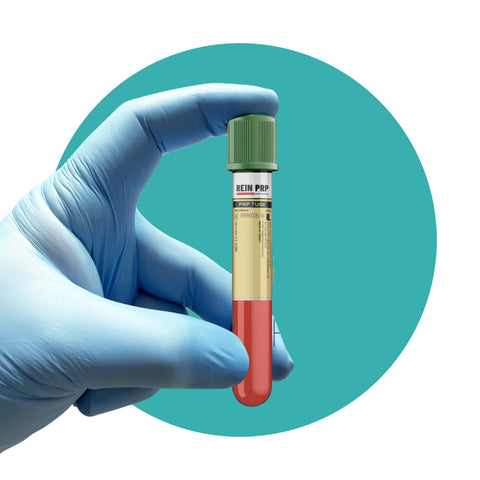
For practices: You can find REIN PRP tubes and kits in the PRP tubes category.
This post is for general information purposes and does not replace medical advice.
This article is for general information and does not replace medical advice.